The Australian brand combines artisanal techniques, unconventional formulations, and design across five fragrance formats
The Olfactory Philosophy: Unconventional Sourcing and Formulation
Australian skincare house Aesop, founded in Melbourne in 1987, has developed a distinctive position in the home fragrance sector through an approach that prioritizes olfactory complexity over demographic targeting. The brand’s collaborations with perfumers like Céline Barel and Barnabé Fillion start with conceptual stimuli: a color, image, poem, song, or imagined landscape. This kaleidoscopic approach to briefs results in compositions that deliberately subvert their own categorical classifications.
The brand sources ingredients from both botanical and laboratory origins, all vetted for ethical sourcing and proven safety. All formulations are vegan, certified by Leaping Bunny, and included on PETA’s cruelty-free lists. The company holds B Corporation™ certification and conducts no animal testing on formulations or ingredients.
Aromatique Candles: Ceramic Vessels and Celestial Nomenclature
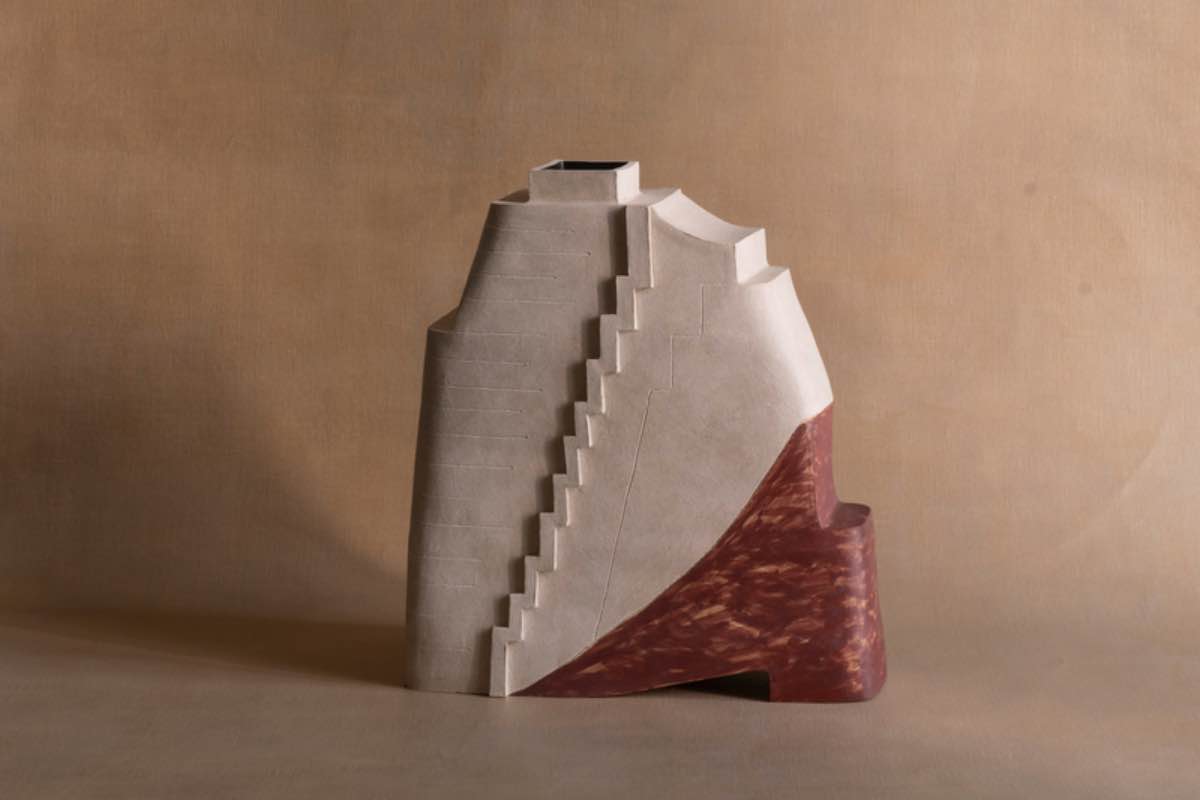
The Ptolemy, Aganice, and Callippus candles are housed in alabaster-toned ceramic vessels, each named after ancient astronomers. The 300g candles feature internal printed quotations revealed as the wax burns down, creating a temporal relationship between use and discovered text.
Ptolemy presents a smoky, deep green profile built on cypress, cedar, and vetiver. The combination creates an aromatic-woody character with pronounced resinous facets.
Aganice combines bright, floral mimosa with warm, spiced notes of cardamom and tobacco. The contrast between the floral luminosity and the darker tobacco base creates complexity across the burn time.
Callippus focuses on resinous frankincense paired with earthy vetiver, establishing a meditation-focused olfactory space with minimal floral interference.
The celestial naming convention positions these objects at the intersection of scientific inquiry and domestic ritual, referencing historical figures who measured time and celestial movement.
Aromatique Incense: Japanese Collaboration and Square-Form Sticks
Developed in collaboration with a Kyoto-based incense atelier and longtime Aesop fragrance partner Barnabé Fillion, the incense line represents a fusion of centuries-old Japanese incense-making techniques with contemporary fragrance composition.
The sticks feature an unusual square profile and are manufactured without the traditional bamboo core, allowing for gentler combustion and reducing smoke density. This technical modification alters the release pattern of aromatic compounds during burning.
The three incense varieties—Murasaki, Kagerou, and Sarashina—take their names from diaries written by female Japanese authors during the Heian period (794-1185). This choice reflects both Aesop’s documented interest in literature and the historical use of incense in ancient ceremonies.
Murasaki combines Hinoki (Japanese cypress), cinnamon, and clove, creating a woody-spiced profile with particular emphasis on the aromatic freshness of Hinoki.
Kagerou features vetiver, Igusa (rush grass), and sandalwood, establishing an earthy, green foundation with smooth woody development.
Sarashina layers sandalwood with clove and cinnamon, producing a warm, spiced-wood composition with greater emphasis on sweet-spicy facets.
Each 33-stick package includes a minimalist pumice stone holder. The standalone Bronze Incense Holder, designed by Fabio Vogel of Studio Vogel, provides an elevated platform for ash collection. Vogel describes the intent: “I wanted to give the ashes a slightly raised base from the table. In an abstract way, the form recalls a hand that gives or supports.”
Aromatique Room Sprays: Greek Toponymy and Instant Diffusion
Named after an ancient Greek port city, Istros combines energizing pink pepper, lavender, and mimosa with warm base notes of cedar and sandalwood. A tobacco accord provides refined character and extended dry-down.
Olous references a city lost to the Mediterranean seabed, translating this concept into an olfactory composition of grapefruit, bergamot, and jasmine, paired with galbanum, cardamom, cedar, and frankincense. The combination of citrus brightness and resinous depth creates tension between fresh and dense elements.
Celebrating the Greek island’s history and spirit of resilience, Cythera blends neroli, geranium, and patchouli with ambrette and myrrh, resulting in a warm, woody, stimulating aroma with pronounced earthy-floral character.
The 100ml spray format provides immediate scent diffusion across interior spaces, contrasting with the slower, more meditative release patterns of candles and incense.
Oil Burner Blends: Brass Design Object and Botanical Combinations
The brass oil burner, designed by Studio Henry Wilson, functions as both diffusion device and sculptural object. The design represents what Aesop terms “substantial yet evolving beauty,” with the brass material developing patina over time through oxidation and use.
Each of the four oil burner blends (25ml) carries a female given name, referencing inspirational historical and contemporary figures.
Catherine: Refreshing fusion of orange peel, Atlas cedarwood, and clove
Béatrice: Spiced citronella, warm Atlas cedarwood, and stimulating patchouli
Joséphine: Green citrus notes of bergamot peel, grapefruit peel, and geranium leaves
Simone: Fresh, herbaceous bergamot peel, petitgrain, and violet leaves
The heat-diffusion method releases aromatic compounds gradually, creating sustained ambient scent that develops over extended periods.
Eaux de Parfum: Personal Fragrance as Olfactory Subversion
Aesop’s range of 13 personal fragrances (available in 50ml and 100ml) operates under a categorical system—floral, fresh, woody, opulent—that each composition deliberately complicates through unexpected material choices and compositional structures.
Notable examples of this subversive approach include the selection of herbaceous magnolia leaf rather than the more predictable flower in Aurner Eau de Parfum, and the distinctly modern amber accord with radically unfiltered cardamom use in Above Us, Steorra Eau de Parfum.
The development process mirrors the ambient fragrance approach: perfumers receive conceptual rather than demographic briefs, resulting in compositions that prioritize olfactory interest over market convention.
The Complete Ambient System: Format Diversity and Use Context
Aesop’s home fragrance collection presents multiple delivery formats, each suited to different spatial and temporal contexts:
- Candles (300g): Sustained ambient scent with visual focus point
- Incense (33 sticks): Meditative, ritualistic use with visible smoke element
- Room Sprays (100ml): Immediate diffusion, pre-event preparation
- Oil Burner Blends (25ml): Extended release with design object presence
- Personal Fragrances (50ml/100ml): Individual olfactory signature
This format diversity suggests an understanding that different contexts require different scent delivery mechanisms, and that ambient fragrance serves multiple functions beyond simple air freshening—from spatial transformation to contemplative practice.
The collection demonstrates Aesop’s broader approach: formulations prioritizing efficacy first, with complex and distinctive aromas as what the company describes as “a pleasant coincidence.” This inversion of typical fragrance marketing positions scent as inherent to function rather than added benefit, a philosophical stance that extends across the brand’s entire product range.