A thousand years of power, from medieval fortress to Benedictine monastery and five-star retreat
Castel Badia in Val Pusteria: from Otwin von Lurngau’s fortress to Sonnenburg monastery
In the heart of South Tyrol’s Pusteria Valley, perched on a gentle hill overlooking San Lorenzo di Sebato, stands Castel Badia, known in German as Sonnenburg. Built around the year 1000 by Count Otwin von Lurngau, it began as a fortified outpost meant to control the valley. Power, however, proved mutable.
By 1020, Volkhold von Lurngau renounced secular ambition and converted the castle into a Benedictine monastery, donating it to an order of nuns who would govern Val Badia for nearly eight centuries. Fires—including the catastrophic blaze of 1598—political shifts, and reforms culminated in 1785, when Emperor Joseph II suppressed the monastery and repurposed it as a military hospital.
Historic restoration of Castel Badia: Null17, Droulers Architecture, Marta Ferr
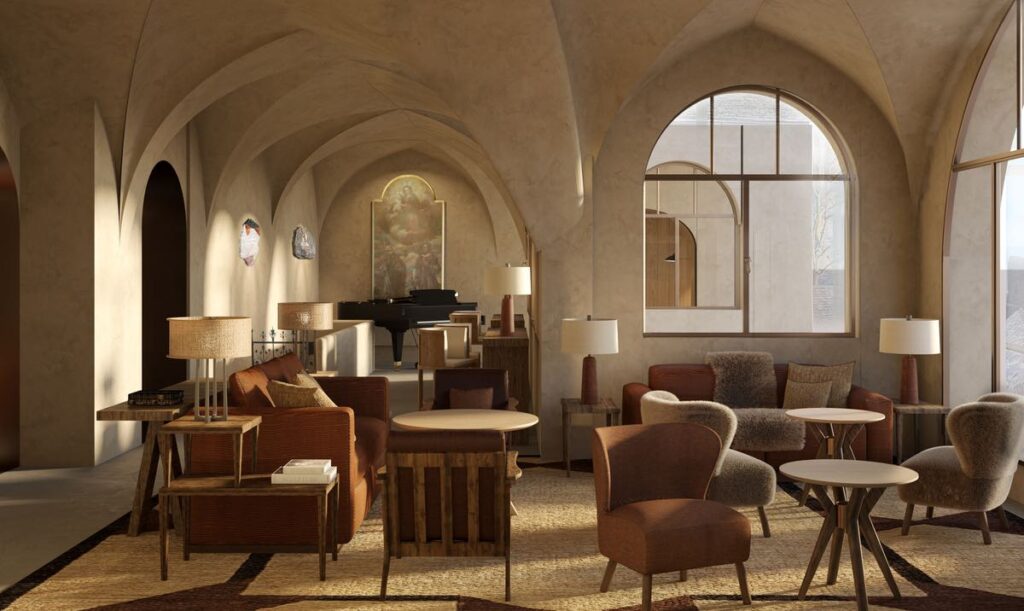
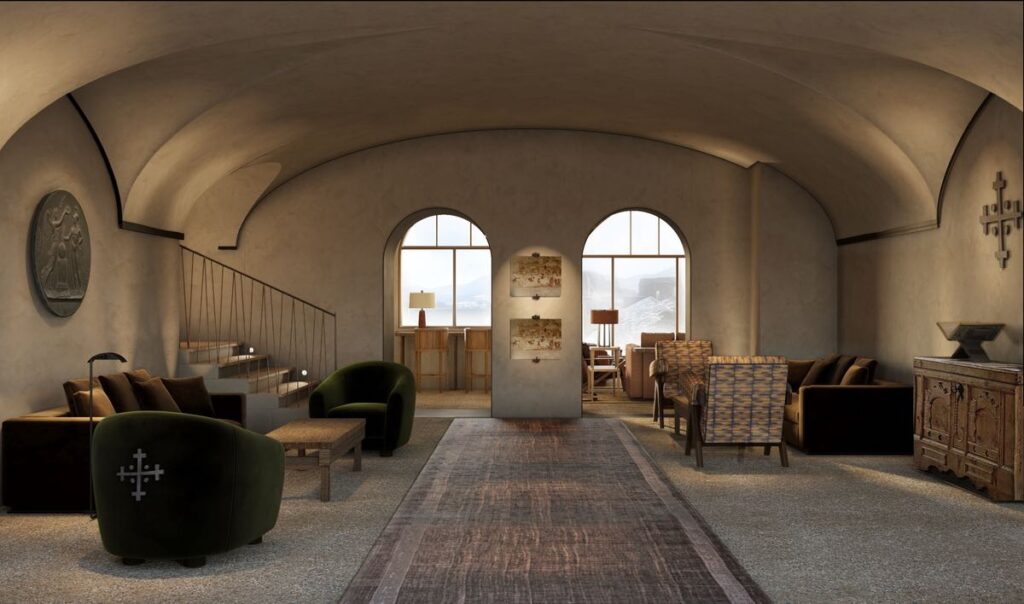
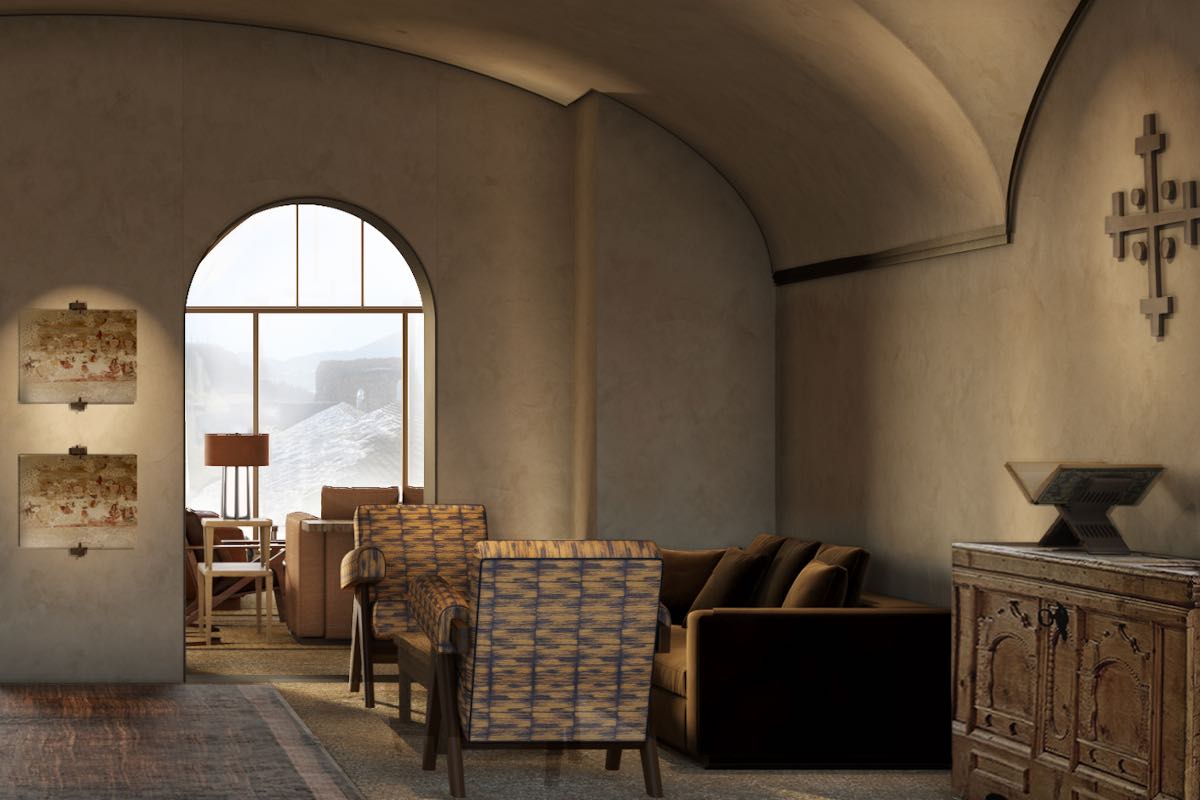
The building’s latest transformation respects this stratified past. Among South Tyrol’s most significant monuments, Castel Badia required continuous oversight by the Superintendency for Cultural Heritage. Medieval curtain walls, arrow slits, and bastions were preserved. Windows were reconstructed using historic techniques. In the crypt (c. 1030), artisans recovered eleventh-century fresco fragments millimeter by millimeter, revealing figures and ornamental motifs long concealed beneath later layers.
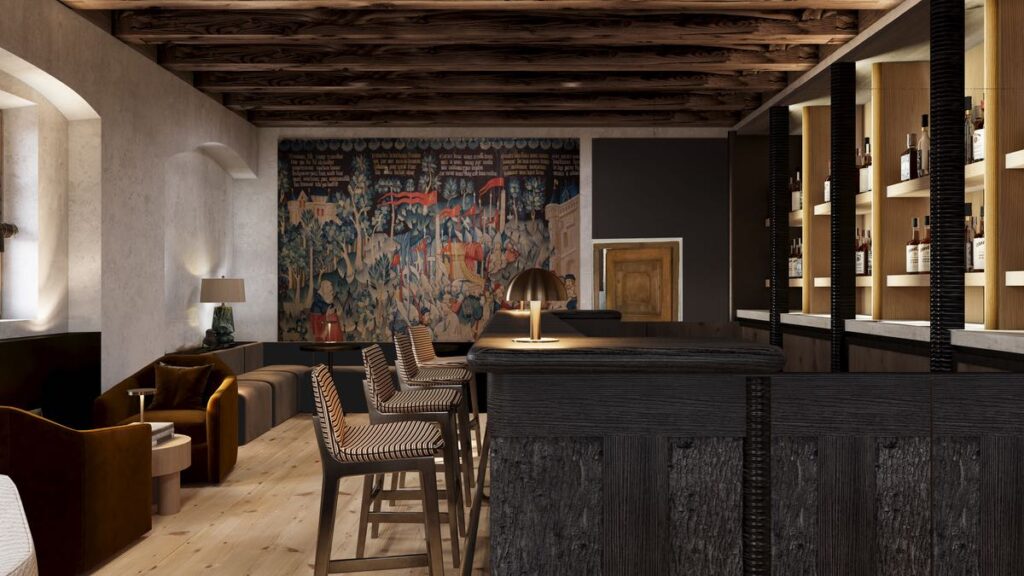
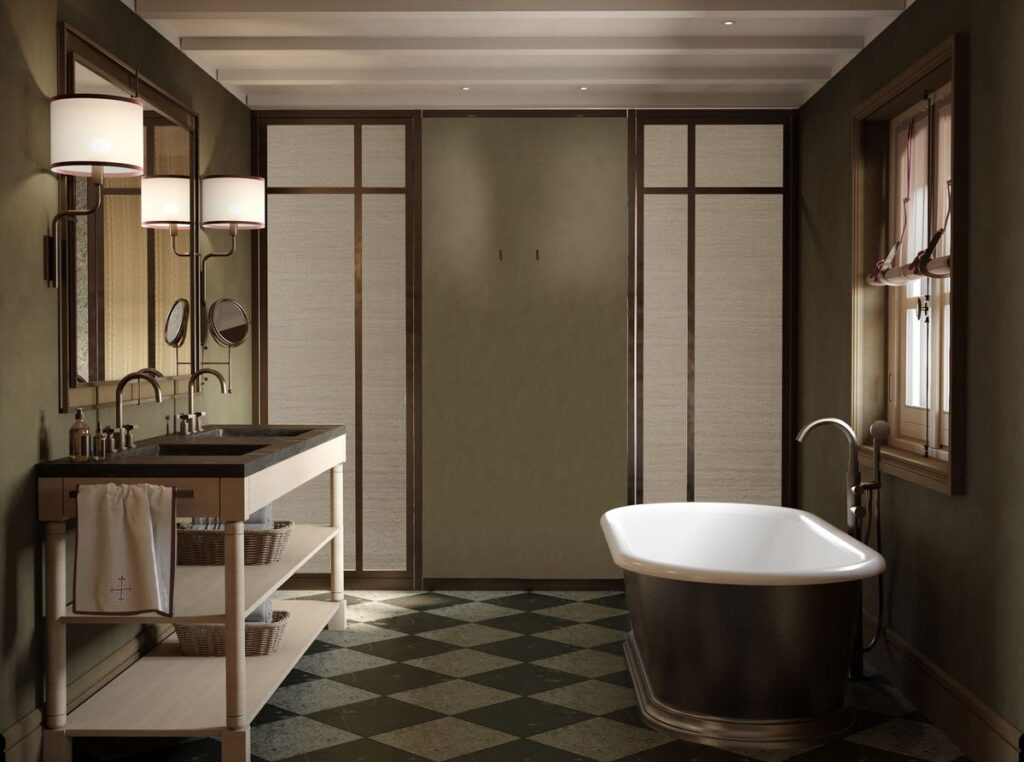
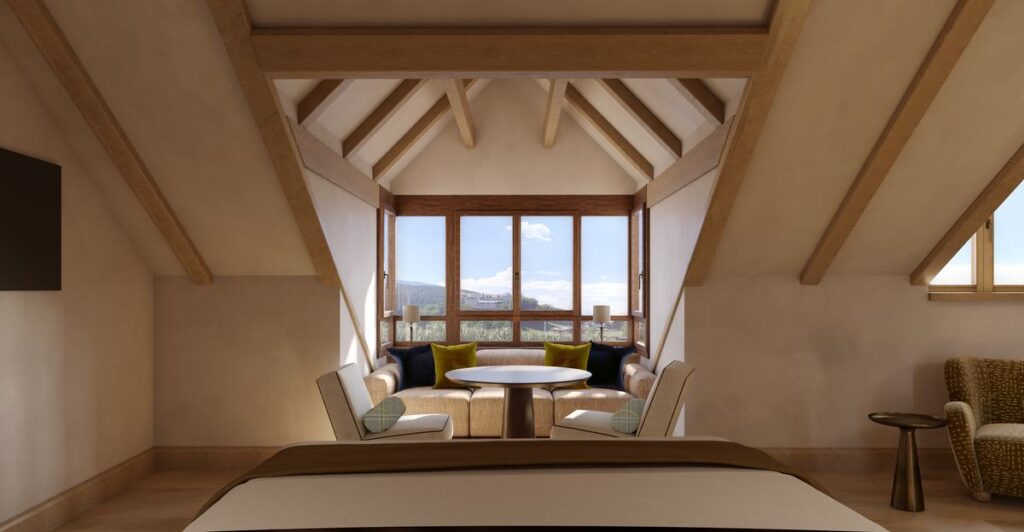
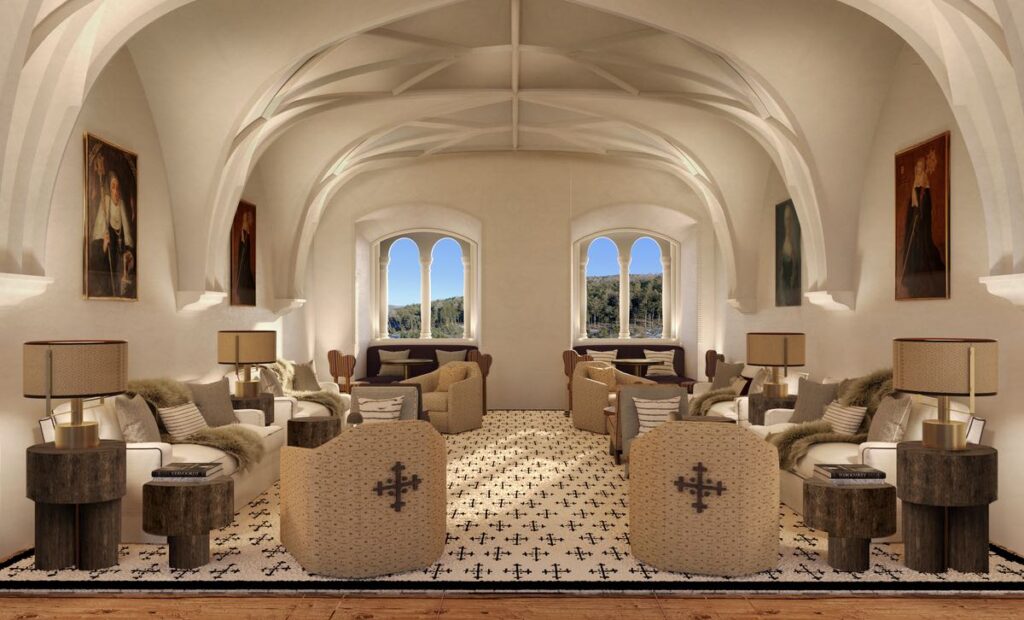
Structural restoration was led by Null17, while Droulers Architecture—working with designer Marta Ferri—reimagined the interiors. The brief was restraint: introduce contemporary comfort without diluting monastic austerity. Materials remain local, within a fifty-kilometer radius. Stone and timber dominate. The result balances cloistered severity with measured warmth, allowing original beams and modern interventions to coexist without hierarchy.
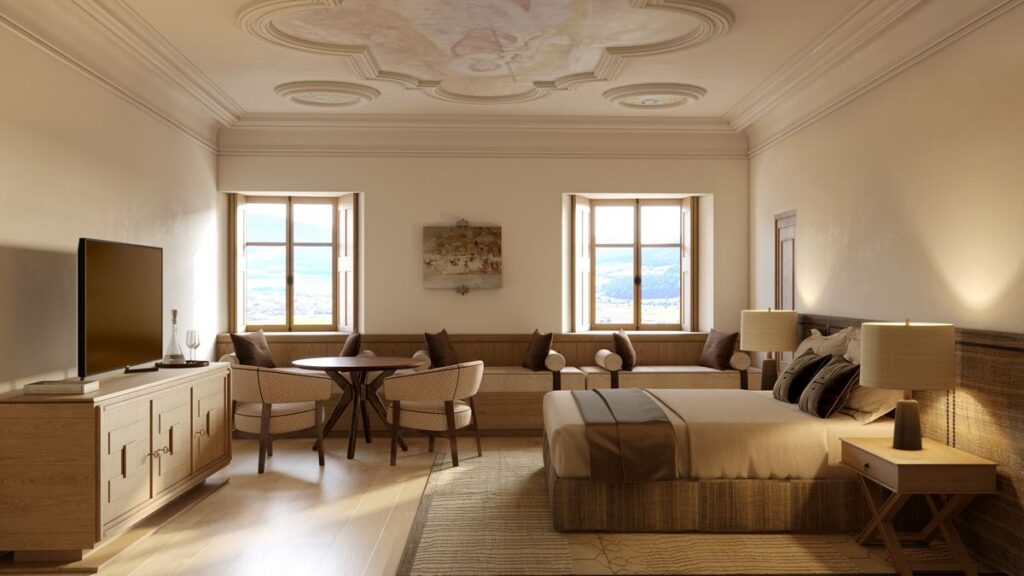
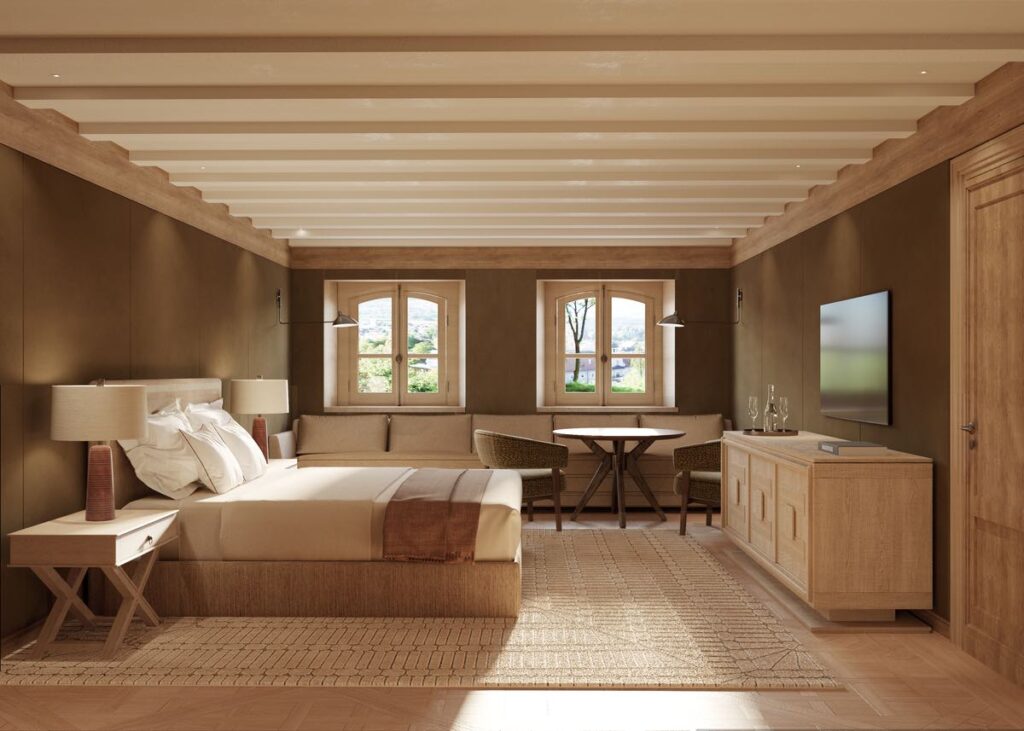
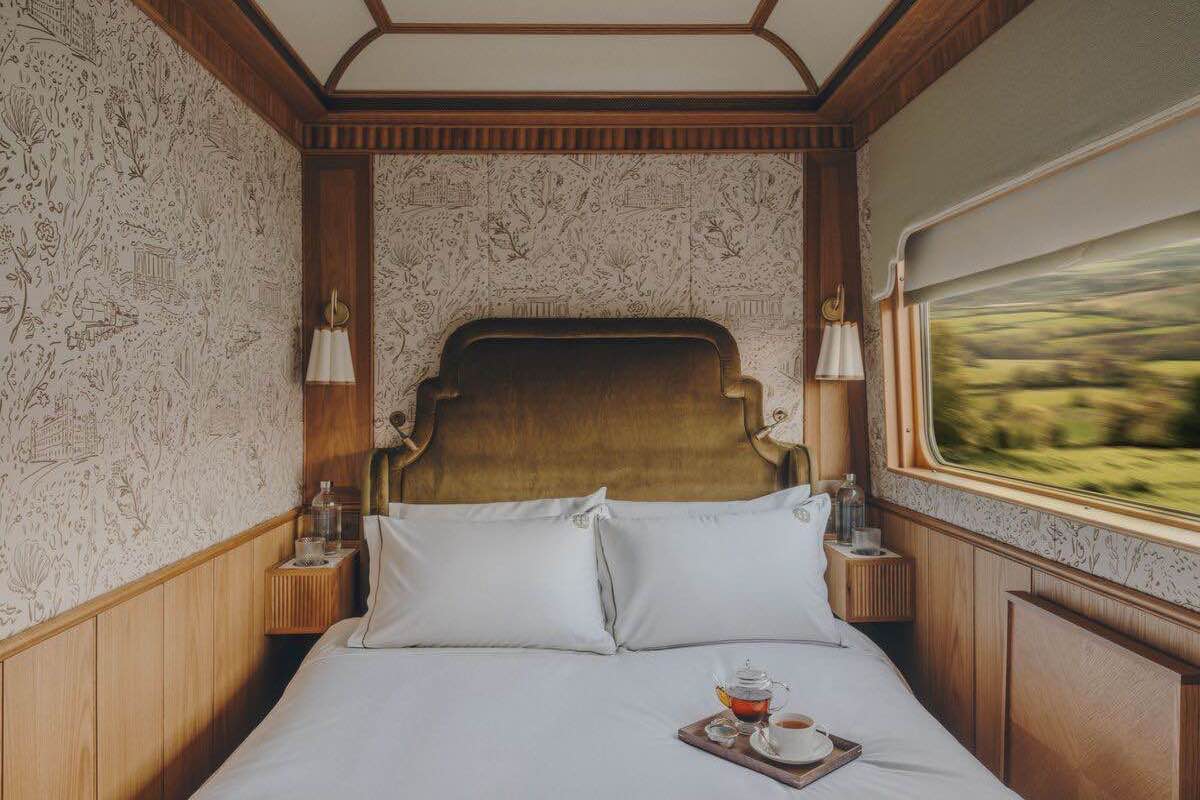
The hotel comprises 29 rooms, each distinct, ranging from forty square meters to an independent three-level Chalet with private garden. Some rooms frame valley views with freestanding tubs; others retain original majolica stoves. Seventeen gardens unfold across the grounds, conceived for use rather than display. Luxury here is cumulative and quiet, revealed through movement and time.
Castel Badia restaurant and chef Alberto Toè: alpine cuisine and sustainability
The culinary program is directed by Alberto Toè, whose training spans Andreas Caminada, Martin Berasategui, Pietro Leemann, and Norbert Niederkofler. Former executive chef at Horto in Milan, Toè earned both a Michelin star and a Green Star for sustainability.
At Castel Badia he oversees Stube Badia, an all-day dining room grounded in regional cooking, and UMES—the gastronomic restaurant launching in spring—named after the Ladin word for “mothers,” a deliberate nod to the site’s female monastic governance.
Aldo Melpignano and Castel Badia: hospitality investment and long-term vision
For Aldo Melpignano, Castel Badia extends a hospitality philosophy already articulated at Borgo Egnazia and other Italian properties. The project, developed with the Kronplatz Group and the Gasser and Knötig families, exceeded thirty million euros. It privileges duration over immediacy, authenticity over theme, and operational rigor over spectacle.
Castel Badia in the Dolomites: Plan de Corones, landscape, and slow time
Set within the Dolomites, the hotel offers access to the Plan de Corones ski area and summer trail networks. Its core proposition is deceleration. Gardens function as lived spaces. Architecture frames time rather than content. The building resists reenactment, acknowledging its successive roles—from monastery to hospital to hotel—without reducing history to décor.
Sustainability at Castel Badia: local sourcing, fifty-kilometer radius, accountable luxury
Sustainability is articulated through specifics. A one-hour radius governs materials and ingredients, ensuring traceability and accountability. Local stone and timber reduce transport while preserving visual continuity with the landscape. Toè’s kitchen extends this logic to fermentation, waste reduction, and ingredient integrity, aligning ethics with technique.