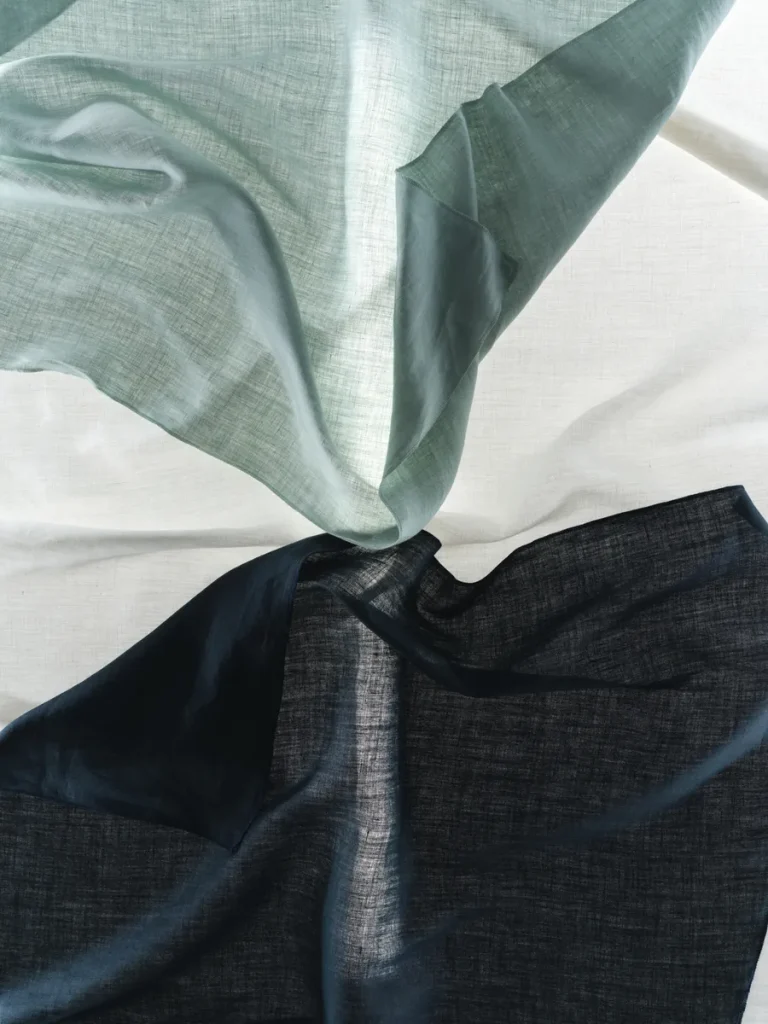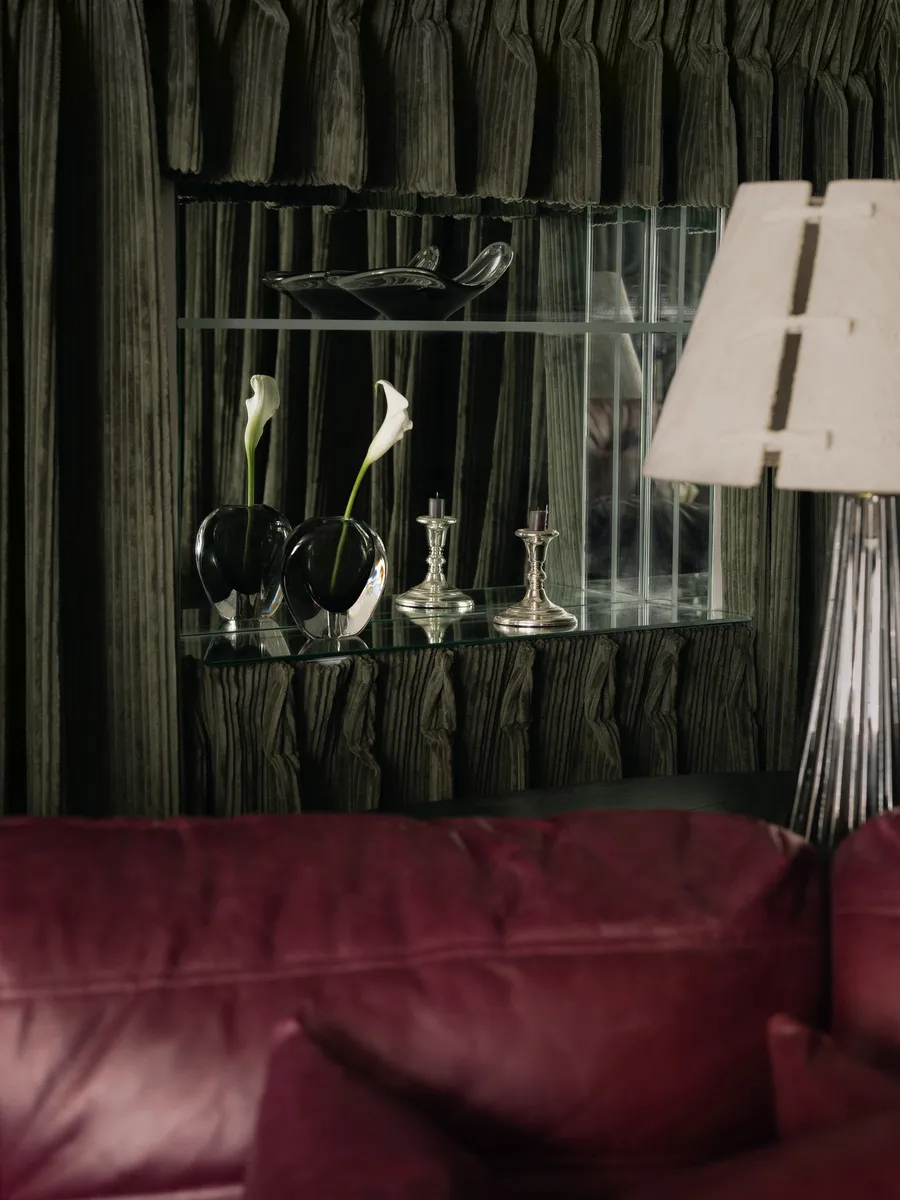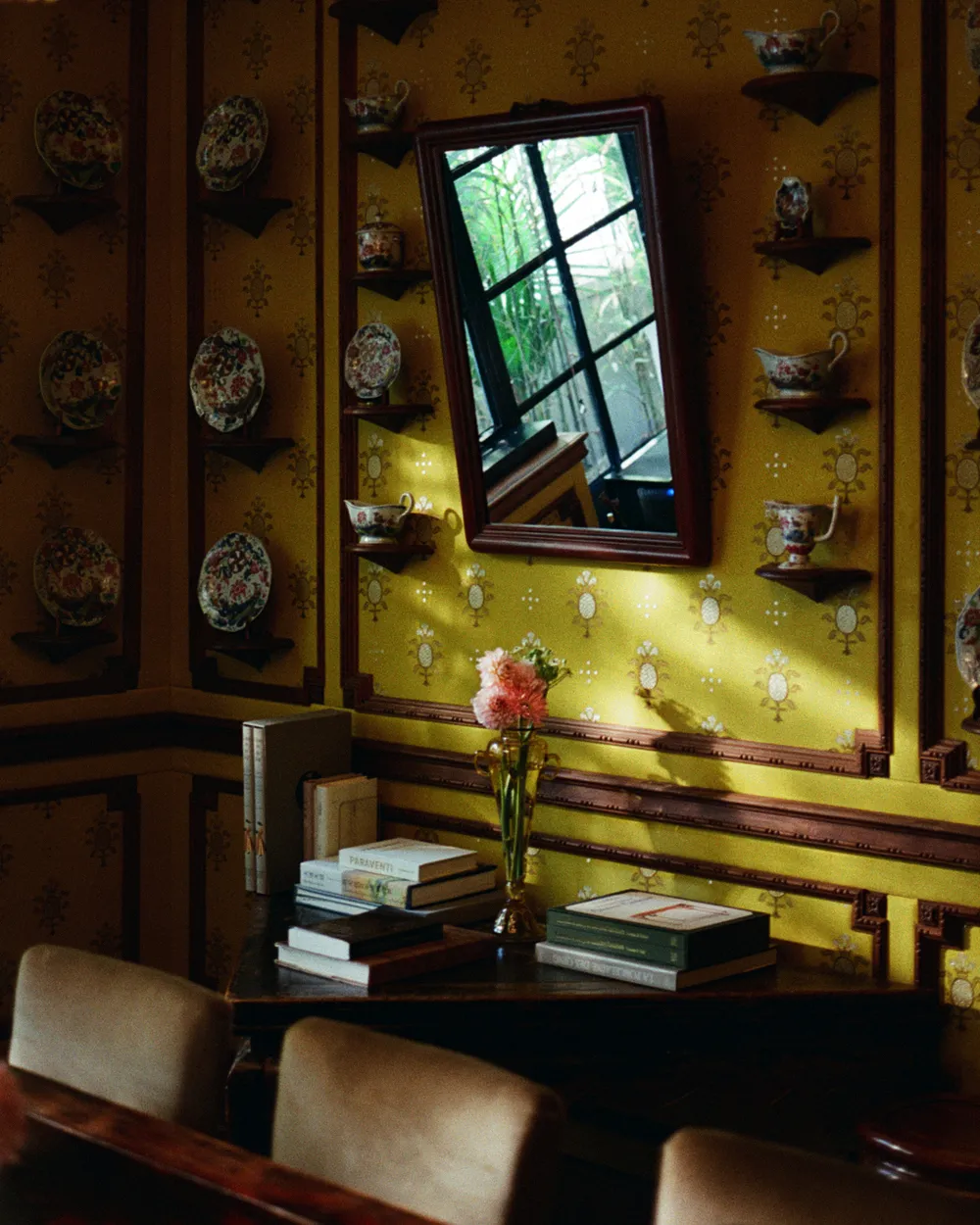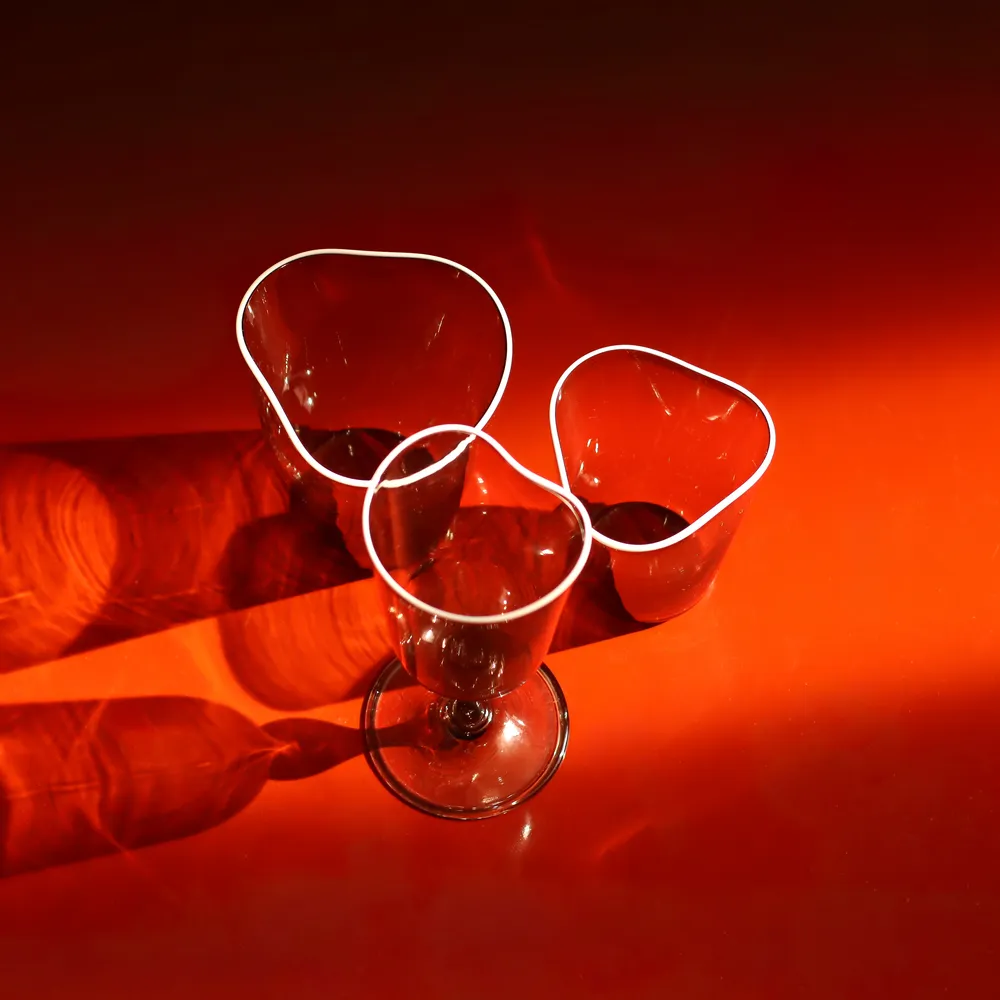
Artisanal Hemp, 16 fabrics in 100% hemp, is the first result of the Nishijin house’s takeover of majotae. Hosoo now treats hemp as its second material after silk
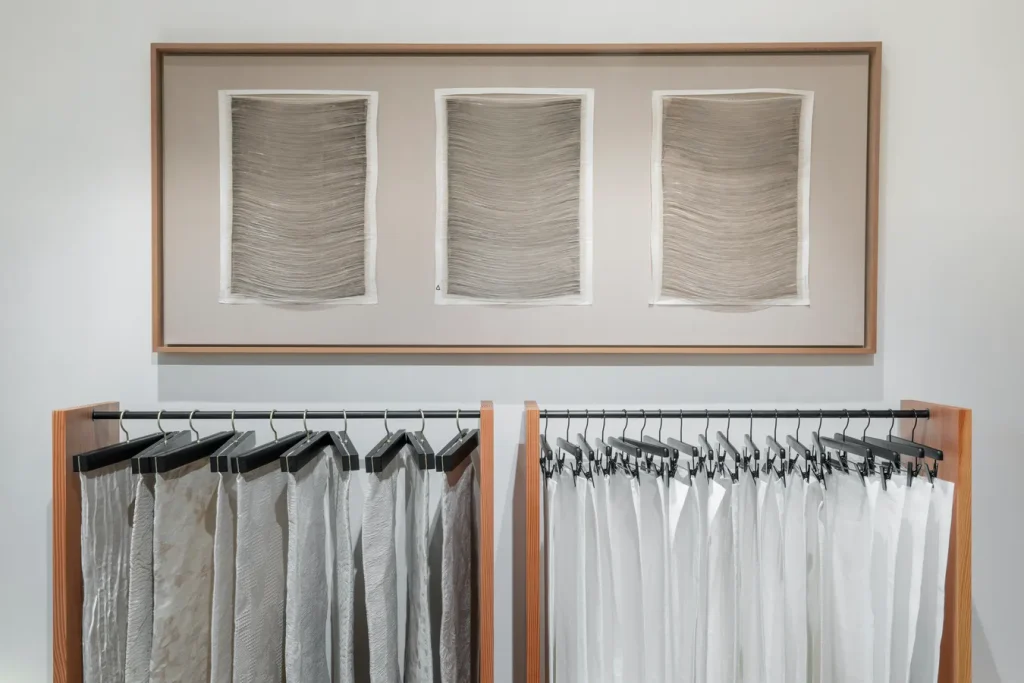
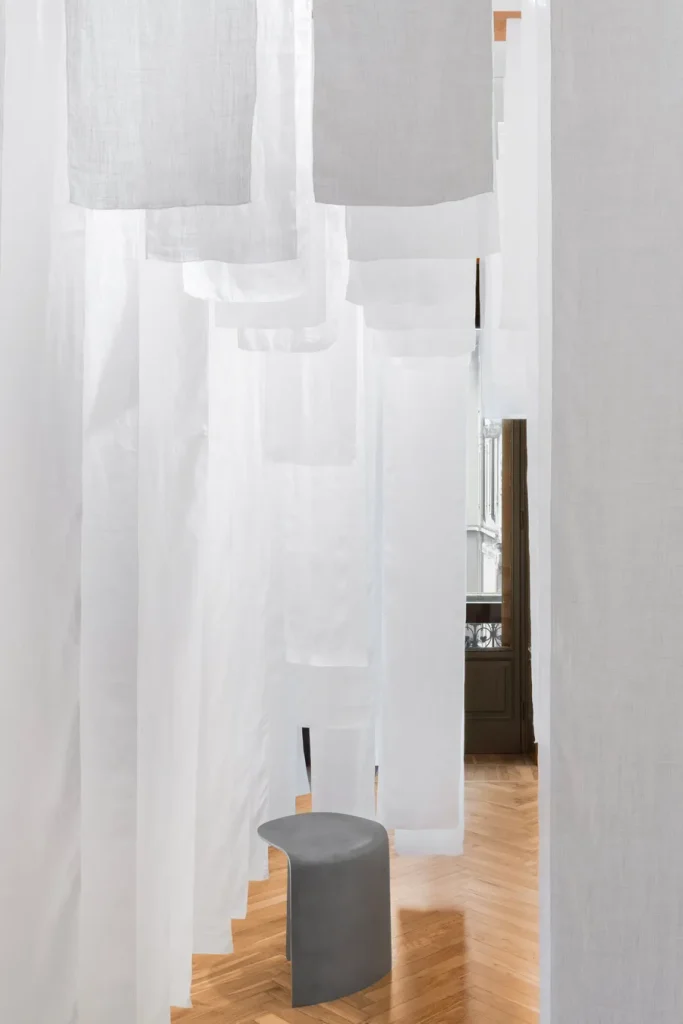
Hosoo, the Kyoto weaving house that has produced Nishijin silk since 1688, has brought its first collection of pure hemp fabrics to Milan. Artisanal Hemp comprises 16 fabrics in 15 colours, on show at the company’s showroom in Largo Treves, in Brera, beside Edo-period hemp cloth from the collection of Shinichiro Yoshida, director of the Kinsei Asa-fu Research Institute in Kyoto.
The fabrics were not developed from scratch. In October 2025 Hosoo took over majotae, the hemp fabric brand the Japanese entertainment group Avex had built since 2011, in a deal that included its equipment and spinning know-how. Before that, Hosoo had never made hemp cloth. The company now positions hemp as its second pillar after silk, and plans to work with native Japanese varieties of both fibres, starting from raw material production. The move comes as Japan reopens hemp cultivation for the first time since the post-war ban: since 1 March 2025, farmers can obtain a licence to grow hemp as raw material for non-drug products.
Inside Hosoo’s Artisanal Hemp: 16 fabrics, 15 colours
The 16 fabrics range from light, translucent weaves to heavier, structured cloth, in different weaves, weights and finishes. The 15 colours run from undyed whites through neutrals to blues, greens, reds and pinks. They were developed with Mae Engelgeer, a Dutch textile designer trained at the Amsterdam Fashion Institute and the Sandberg Instituut and now based in Kyoto. Engelgeer had already worked with Hosoo on Shoji Fabric, a weave that replaces the paper of shoji and fusuma panels in a reworked tea room. The collection is made for curtains, upholstery, wall applications and clothing.
Milan is not the material’s first outing. It appeared in March 2026 in the Tuileries garden in Paris, during women’s fashion week, in the exhibition MATTER and SHAPE. The same month Hosoo launched HOSOO MEN, its first menswear line, in Kyoto, with every piece cut from the new hemp. In April, at Milan Design Week, Prada used it for the Chawan Cabinet.
From majotae to Artisanal Hemp: mechanising Edo-period hemp cloth
The technology behind the collection goes back 15 years. In 2011 Avex started a project with Yoshida and Genbei Yamaguchi, 10th-generation head of the Kyoto obi maker Kondaya, to recover the texture of Edo hemp cloth. The team studied the period’s production sequence and replaced its manual steps with machinery to make spinning viable at scale. The first fabrics came out in 2014 under the majotae name. The yarn is dry-spun, which leaves a light fuzz on the thread and an airy hand.
Edo hemp cloth was finer and softer than the fabric now associated with the plant. A crafts compendium published in 1732, Bankin sugiwai bukuro, named hemp as the best cloth for anyone seeking softness. That softness came from a long sequence of handwork: the fibre was selected, soaked, beaten, washed and dried repeatedly in the sun, spinners then joined the fibres end to end by twisting them, and the thread was woven on hand looms. Hosoo has added its Nishijin weaving technique and its archive to the majotae base.
Hosoo’s 150-centimetre Nishijin loom
Hosoo was founded in Nishijin, Kyoto’s weaving district, as a weaver for major temples. Nishijin cloth is woven from yarn dyed before weaving, and was produced for centuries for obi and kimono, on looms about 32 centimetres wide. In 2010 the company built a loom that weaves 150 centimetres, the international width for furnishing fabrics, with around 9,000 warp threads, and that loom took Hosoo into hotel and retail interiors. Masataka Hosoo, 12th generation of the family, is president and CEO.
Shinichiro Yoshida and the Milan hemp exhibition
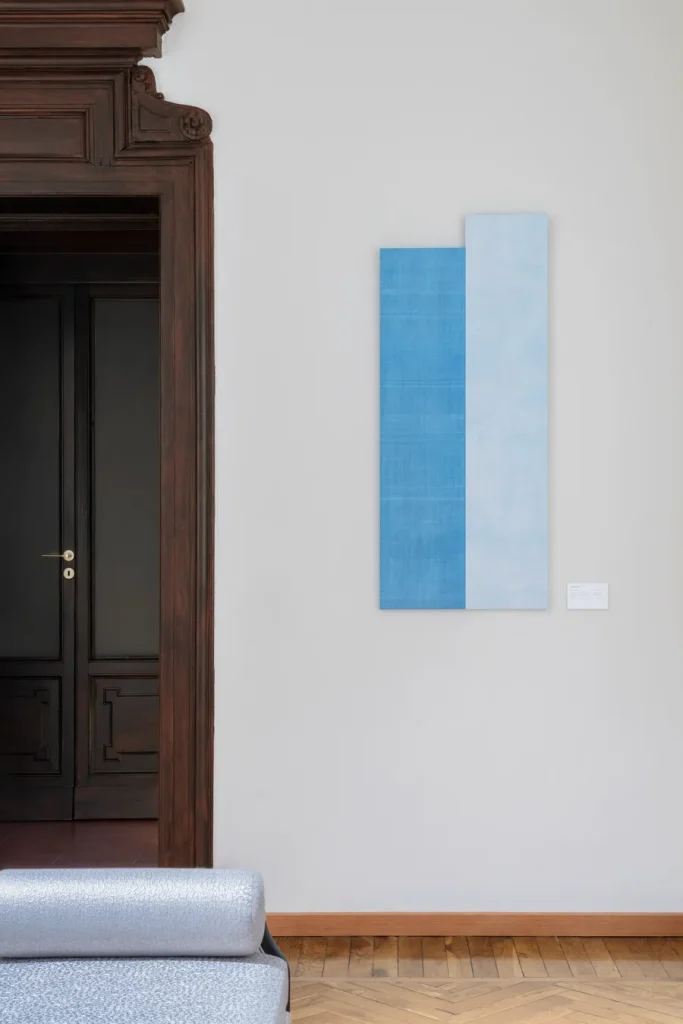
The exhibition HEMP: un dialogo lungo oltre 150 anni hangs the new fabrics in sequence so their density and transparency can be read against the light. Next to them are works made by Hosoo and Yoshida from Edo-period cloth in his collection. Many pieces are more than 150 years old and carry decades of wear, washing and sun, and their natural dyes, among them indigo, safflower and turmeric, have shifted with time.
Yoshida was born in Kyoto in 1948 and began as a painter. In 1977 he moved to West Germany and met the artist Joseph Beuys; back in Japan, he turned to old art and folk traditions, and over some 40 years has gathered around 1,200 pieces of hemp and ramie cloth. He co-authored Natural Fabrics of Japan (Heibonsha, 2004) and received the 6th Mizuki Jugodo Prize in 2018. On 6 November Hosoo Gallery in Kyoto opens The White of Consciousness, a new installation by Yoshida, running to 20 March 2027.
Japanese hemp after the 1948 ban
Hemp was the everyday cloth of most Japanese for centuries. Silk dressed the court; commoners wore hemp, and in the Edo countryside it stayed common even after cotton reached the cities. The Cannabis Control Act of 1948, passed under the US-led occupation, put all cultivation under licence and made no distinction between fibre hemp and drug cannabis. In 1954 Japan still had tens of thousands of hemp growers; by 2014 it had 33. Tochigi Prefecture, the main producing area, went from about 6,000 growers at its peak to a dozen.
The 2023 reform, in force since March 2025, created a first-class licence for industrial hemp. It requires seed from plants with a Δ9-THC concentration no higher than 0.3%. Hosoo has not disclosed where the fibre for the 16 fabrics is grown, or whether any of it comes from Japan’s licensed farms.