Santo for Sant’Ambrogio, Ventuno for Einstein, who lived at 21 via Bigli. Woody amber against citrus and musk, both signed by Givaudan’s Alessandro Olmo — the ninth and tenth in the collection
At 21 via Bigli, in central Milan, the family of Hermann Einstein moved in in 1894, after he came to the city to relocate his electrotechnical business. His fifteen-year-old son Albert was with him. The family stayed until 1900, in Palazzo Olivazzi, the house the physicist would remember as the home of his happiest years, before Bern and the annus mirabilis. Eredi Zucca takes the name of one of its two new fragrances, Ventuno, from that street number.
The other, Santo, looks a little further west, to the basilica of Sant’Ambrogio, bishop of Milan from the fourth century and the city’s patron saint. The maison’s boutique sits within this short perimeter, a room of marble and boiserie that carries on the barber’s trade.
Eredi Zucca and the barbers of Milan: the name in the 1652 statutes
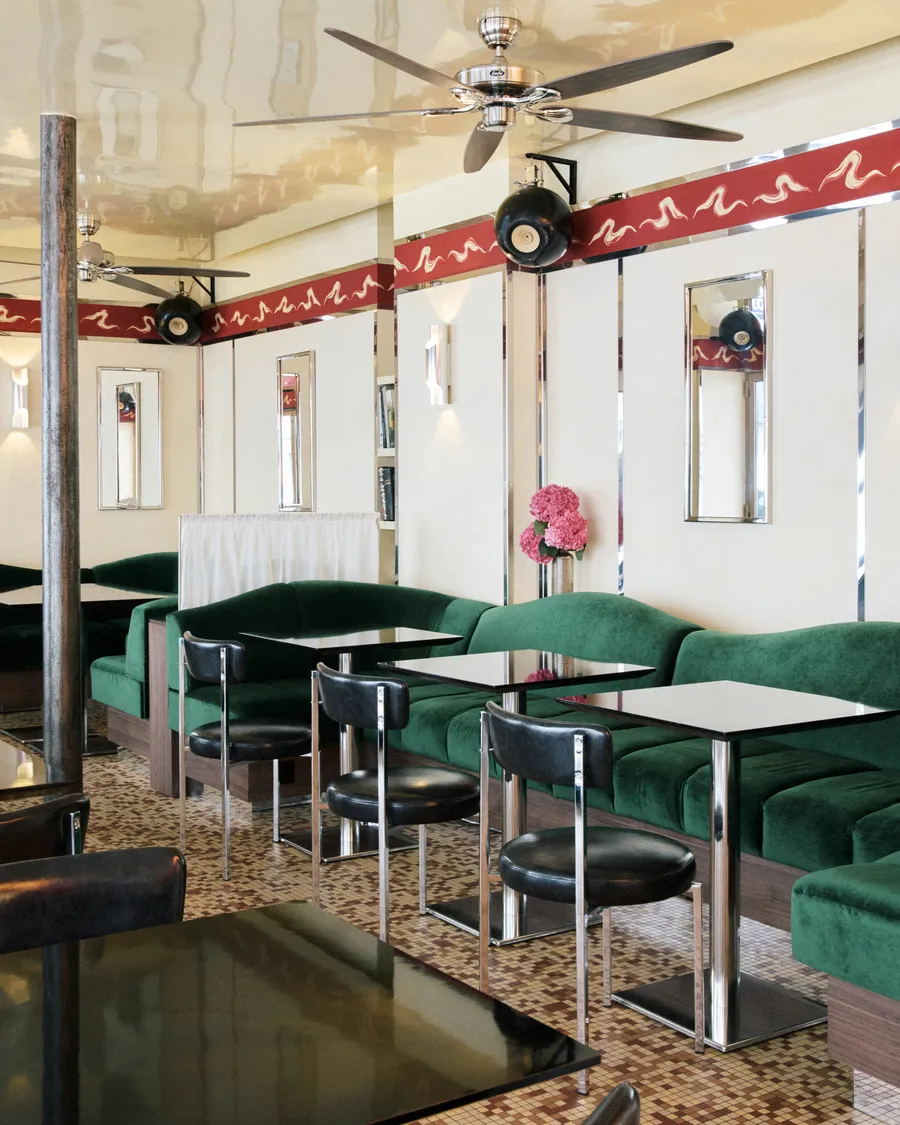
The Zucca name appears in the Ordini et statuti dell’Università et collegio dei barbieri of Milan in 1652, when barbers also worked as dentists and surgeons. The maison grew from that archival trace, tying the barbershop to a line of objects and fragrances: razors handled in stag horn and ebony, marble jars, and the via Bigli shop with three suites for personal grooming, under coffered ceilings and Venetian glass.
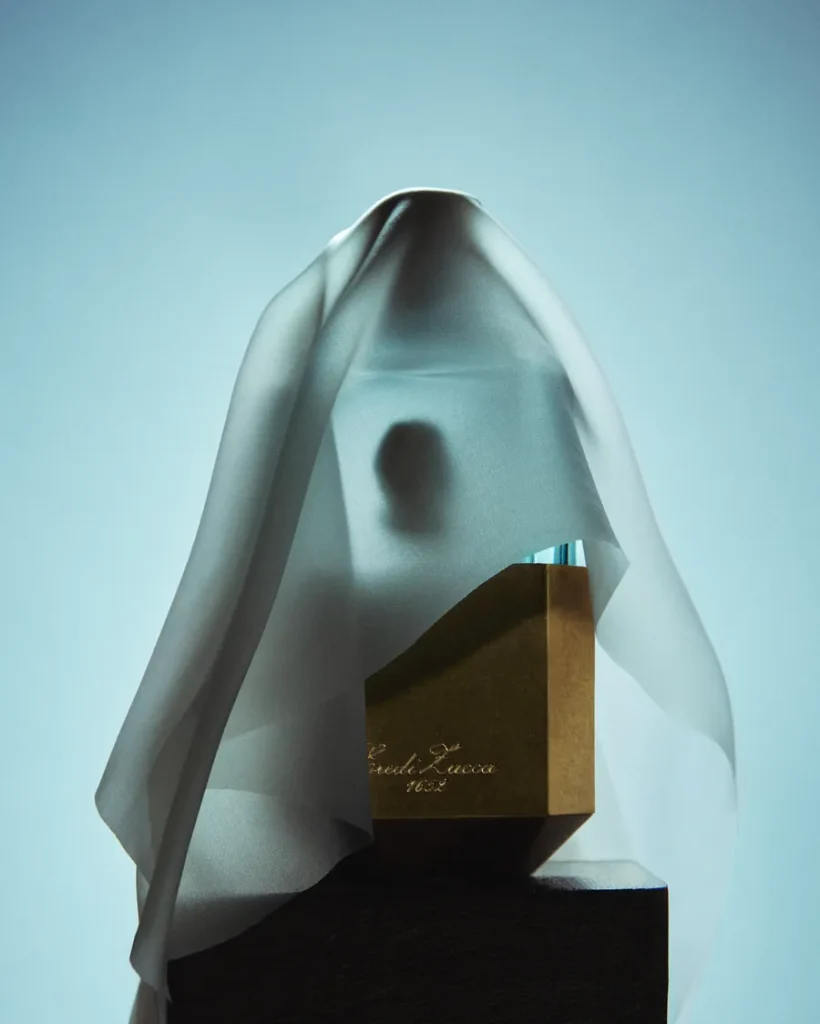
Santo and Ventuno: two Eaux de Parfum by Alessandro Olmo of Givaudan
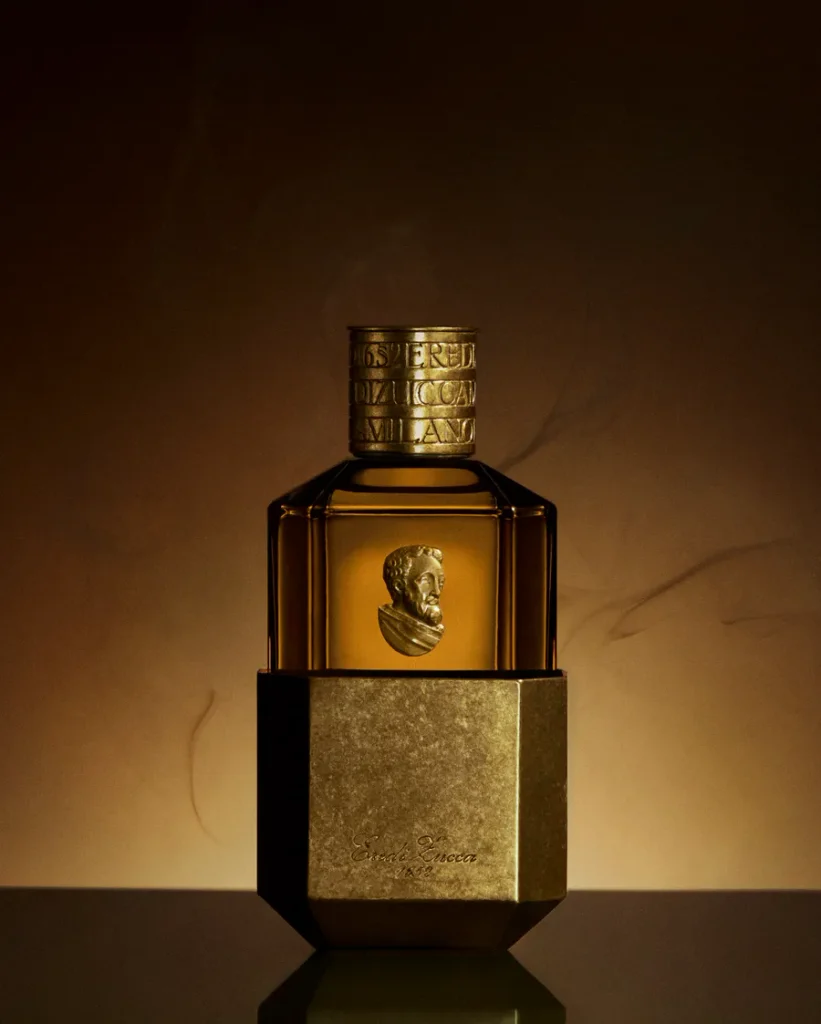
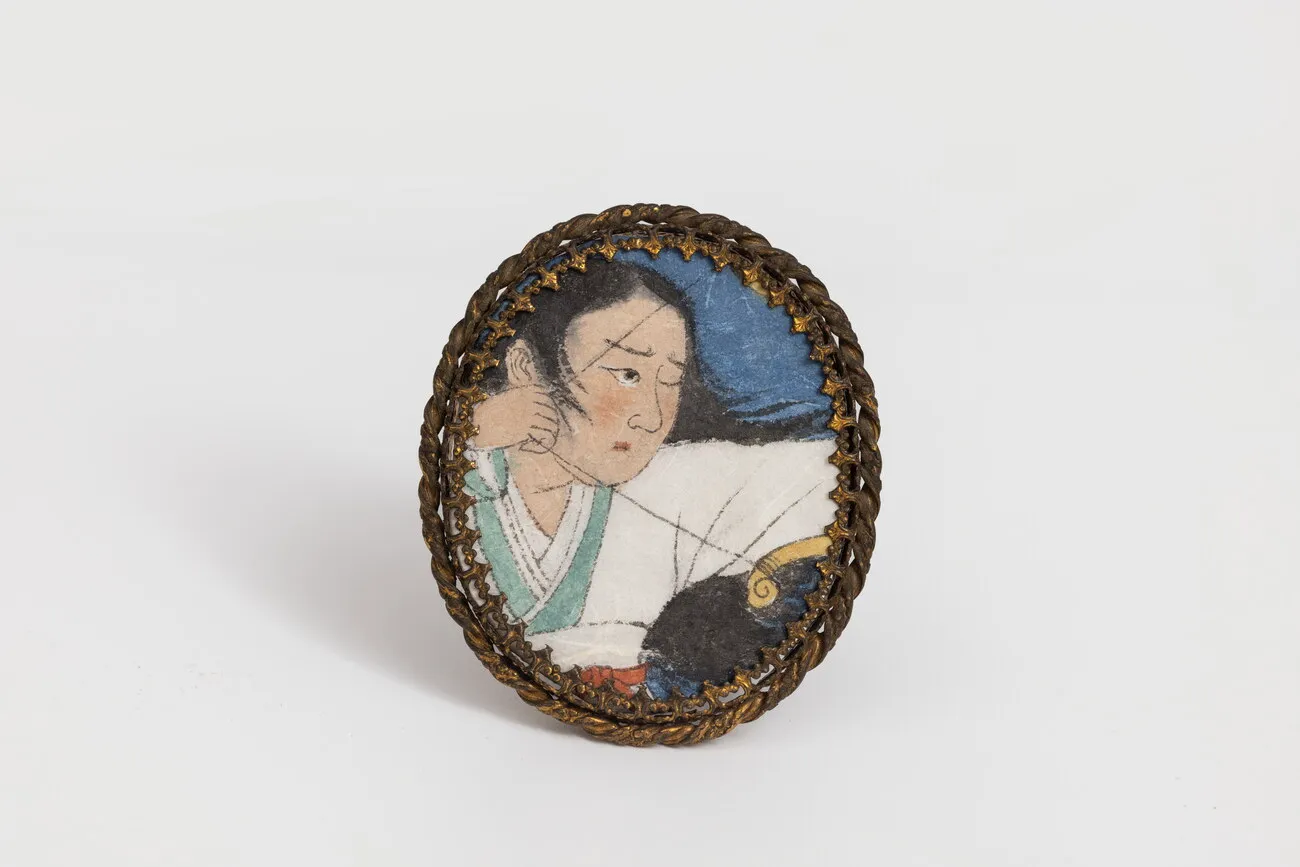
Both compositions are signed by Alessandro Olmo, a Givaudan perfumer, and bring the collection to ten fragrances. The register stays double: raw materials that recall the historic shops, and a reference to the figures of the neighbourhood. Each bottle is a small glass sculpture finished in brass, with the face of its dedicatee set in a cameo.
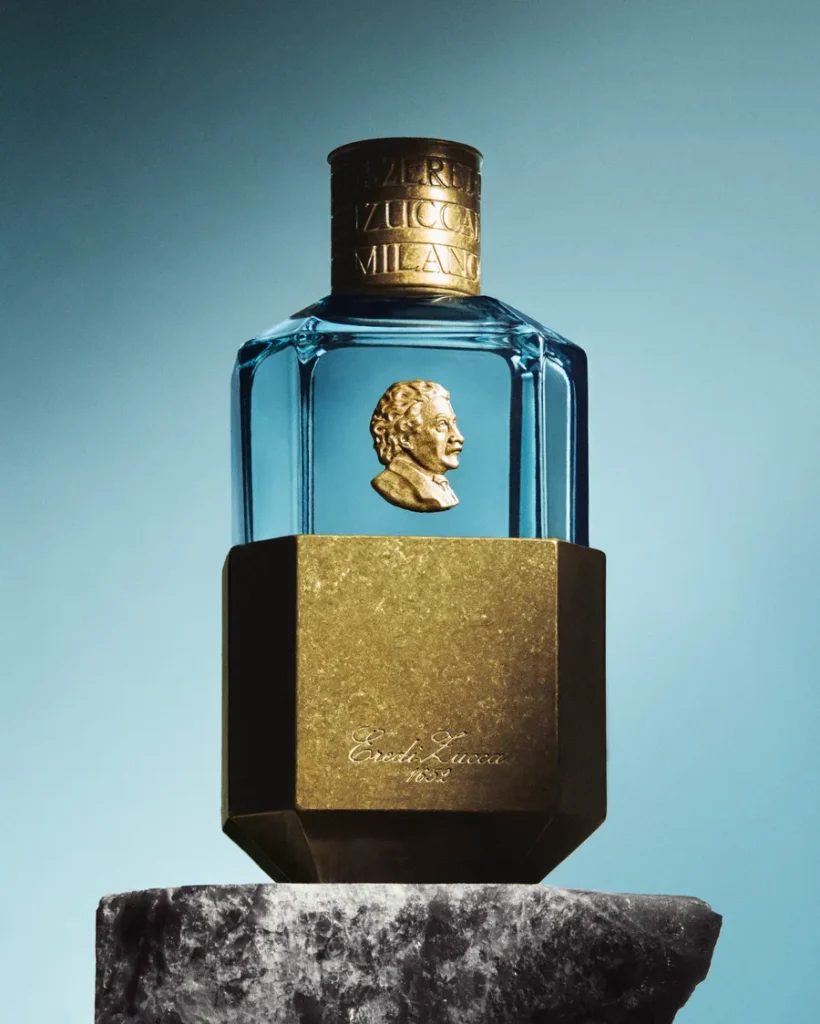
Santo: a tribute to Sant’Ambrogio, woody and amber
Santo is dedicated to Ambrose, whom Milan acclaimed bishop and chose as its patron. Tradition tells of a swarm of bees settling on the newborn saint’s lips, a sign of coming eloquence — the same prodigy antiquity assigned to the infant Plato, and the source of the bottle’s honey-orange glass.
Italian bergamot and black pepper from Madagascar open the composition, with elemi from the Philippines; the heart holds two cedars, Atlas and Virginia, Haitian vetiver and Indonesian patchouli; the base rests on Somali olibanum, myrrh, a leather accord and musk. The build is woody, amber, resinous.
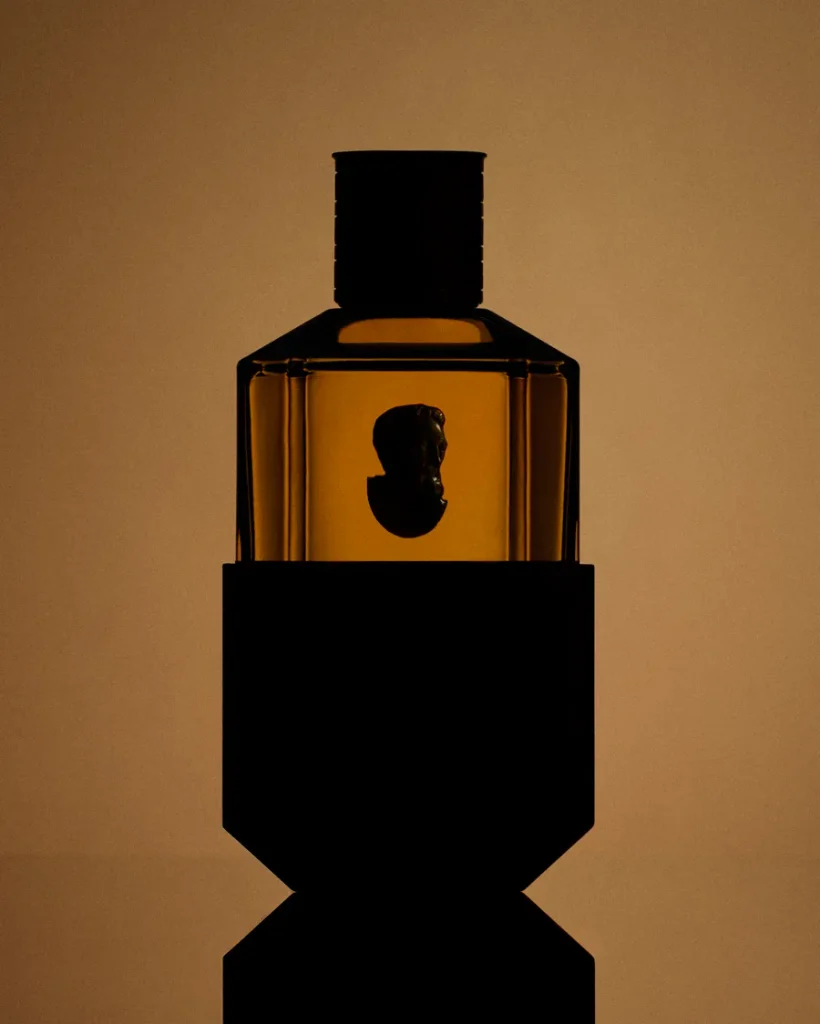
Ventuno: citrus and white flowers for Einstein
Ventuno takes its name from the via Bigli street number. Its bottle is powder blue, a colour held between the sky and the paper of a notebook. The opening is Italian bergamot, clementine and lemon, with a green-tea accord; the heart turns on pink pepper, white flowers and magnolia; the base on Indonesian patchouli and Virginia cedar, with musk drawing out the trail. Citrus, woody, musky.
As a child Einstein was given a compass by his father, and took his first wonder from something he could not see. The saint who dug beside his own basilica in search of the forgotten martyrs and the scientist who chased a beam of light become, on the shelves of the via Bigli barbershop, two ways of belonging to the same city.