On Avenida Delfim Moreira, facing the Atlantic, the 51-room hotel by Osklen founder Oskar Metsavaht runs on Brazilian materials and Brazilian makers, with a restinga dune adopted on the beach in front
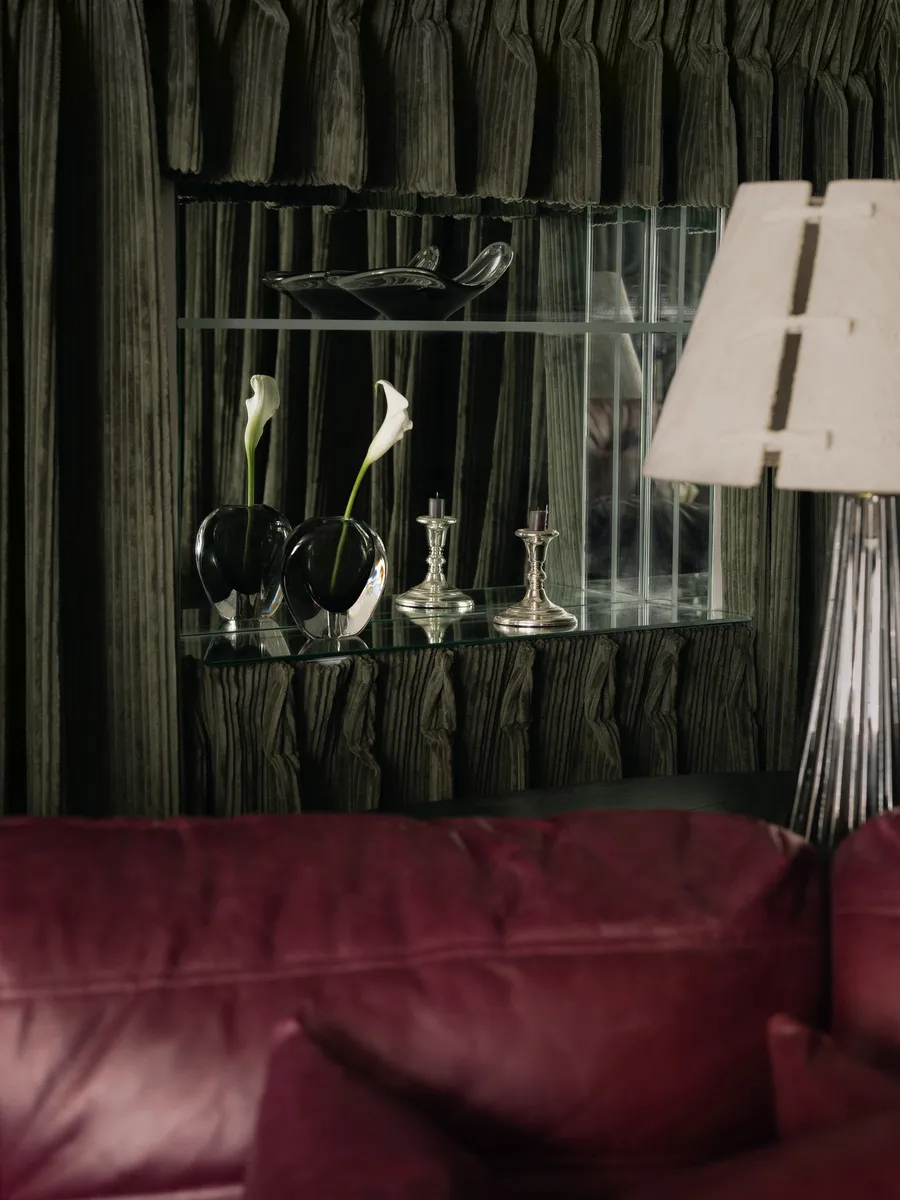
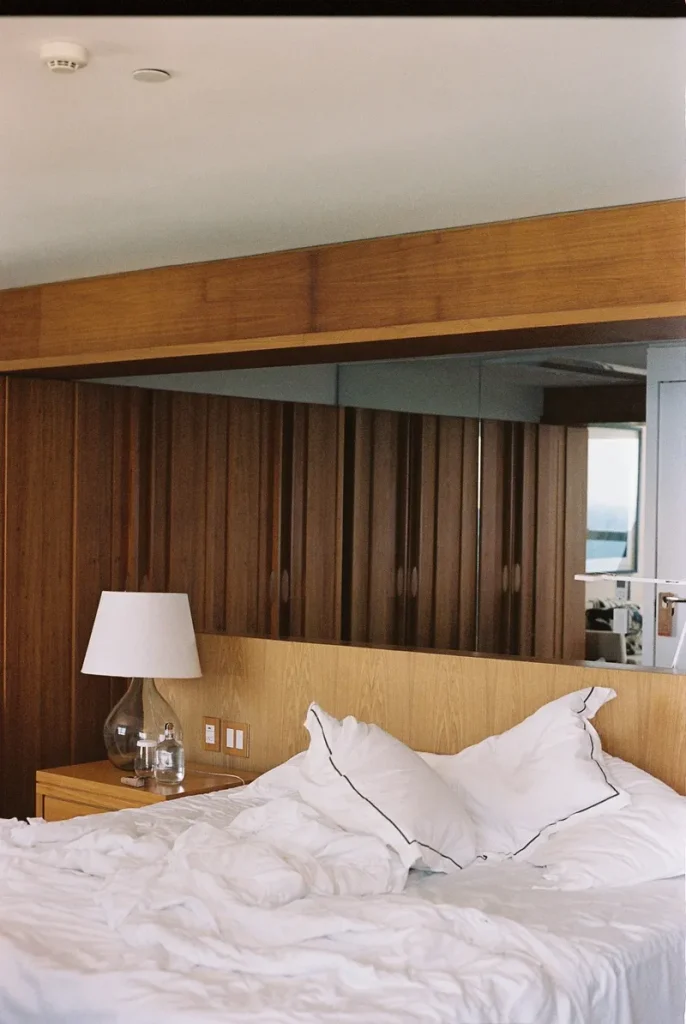
A single lamp holds three materials at once. Recycled glass, blown and cooled in workshops in southern Brazil. Linen. And Freijó, the Amazonian hardwood whose Latin name, Cordia goeldiana, rarely leaves the timber yards. Freijó has a fine, even grain and a golden brown that deepens as light works on it, and Brazilian cabinetmakers have used it for decades in furniture and interior joinery. Three materials, one object, made within the country that the building looks out from.
JANEIRO opened in 2018 on the beachfront at Leblon, on Avenida Delfim Moreira, the stretch of Rio where the Portuguese pavement runs in black-and-white waves and the Atlantic sets the temperature of the street. From the upper floors the view takes in the Cagarras Islands, the rocky archipelago a few kilometres offshore that became a federal natural monument in 2010. The hotel holds 51 rooms, admits guests from the age of ten, and sits a short walk from the cafés, independent shops and restaurants of the district.
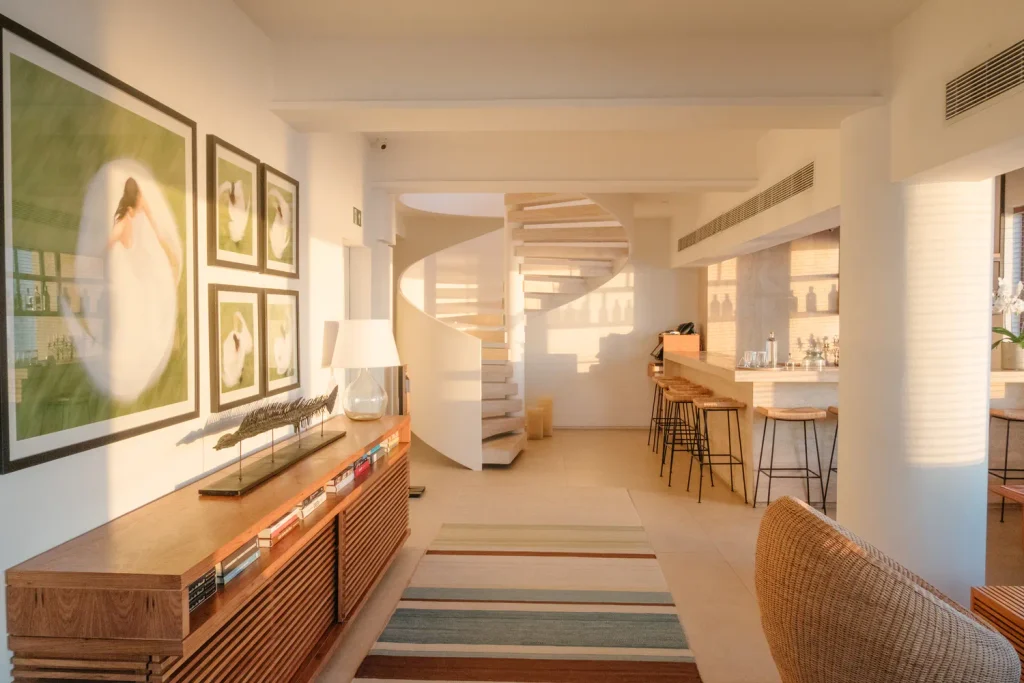
Oskar Metsavaht, founder of Osklen, and the design of JANEIRO Hotel in Rio de Janeiro
The hotel is the project of Oskar Metsavaht, the Brazilian designer who founded Osklen in 1989 and built the label on a concept he named New Luxury, pairing ethics with aesthetics before the vocabulary became common in fashion. Metsavaht also founded Instituto-E, a non-profit working on sustainability and social inclusion, and was appointed a UNESCO Goodwill Ambassador in 2011. JANEIRO was named Best Urban Hotel at the Wallpaper design awards in 2019 and took an iF Design Award in 2022.
Freijó wood and ocean blues in the 51 rooms of JANEIRO Leblon
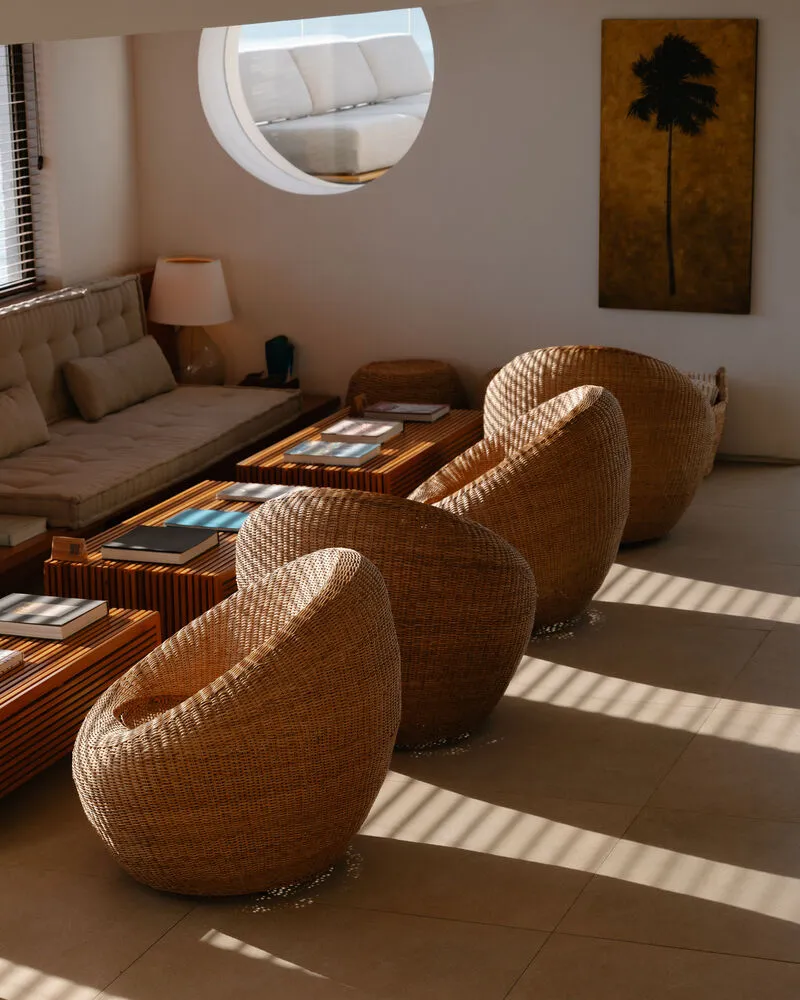
The interiors work on sandy neutrals, soft greens and ocean blues, the colours lifted off the coastline on the other side of the glass. Most of the woodwork was drawn for the building — beds, wardrobes, chairs, wall panels — cut and assembled for the rooms they stand in. The Freijó used through the hotel is certified, with the chain traced back to the forest it came out of.
Two gestures carry Brazilian modernism into the structure. A spiral staircase with floating steps, each tread cantilevered off the core. And a circular window on the eighteenth floor, cut to frame the pool the way a porthole frames water. In the bathrooms the amenities come from LACES, a Brazilian beauty company that formulates its own products with natural and certified organic ingredients.
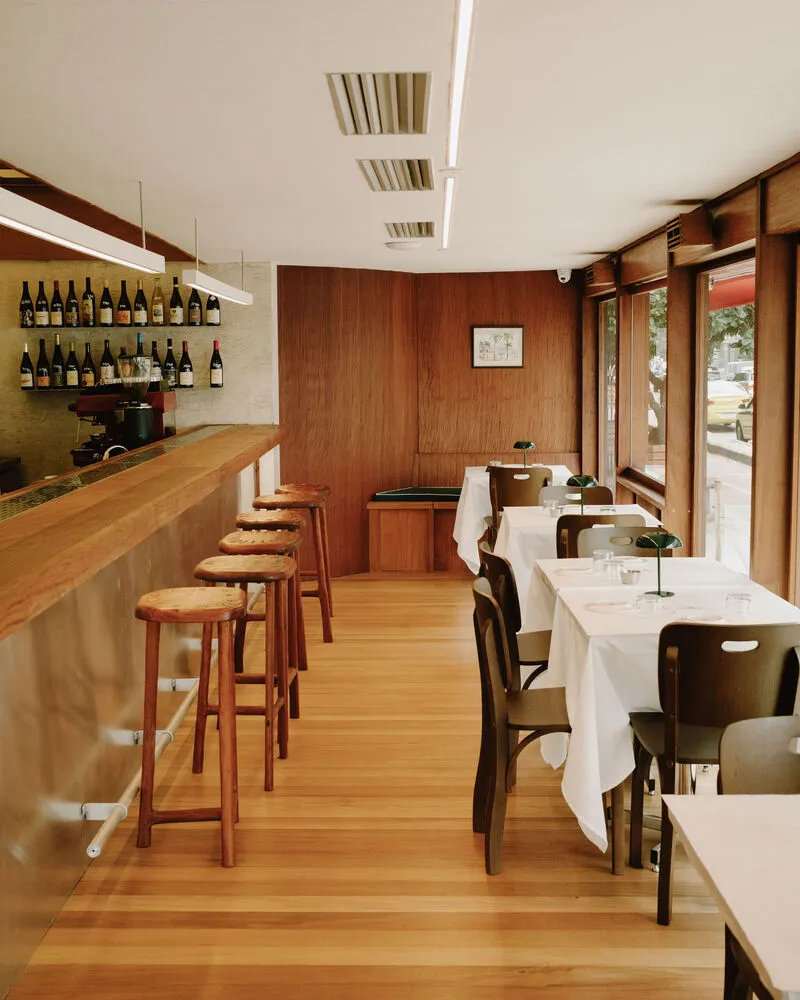
Cedilha Bar & Restaurant and Amélia, the two kitchens of JANEIRO Hotel
At street level, Cedilha Bar & Restaurant works as a neighbourhood bistro, conceived by the creative directors Caetana Metsavaht and Guilherme Boavista on the model of traditional bistros and taverns, with reinterpreted standards, a wine list and cocktails. Residents of the district come in alongside hotel guests, which keeps the room on Leblon time instead of hotel time.
On the second floor, Amélia Restaurant takes the evening in a different direction, with a contemporary menu built on international influences and selected ingredients, in a smaller room.
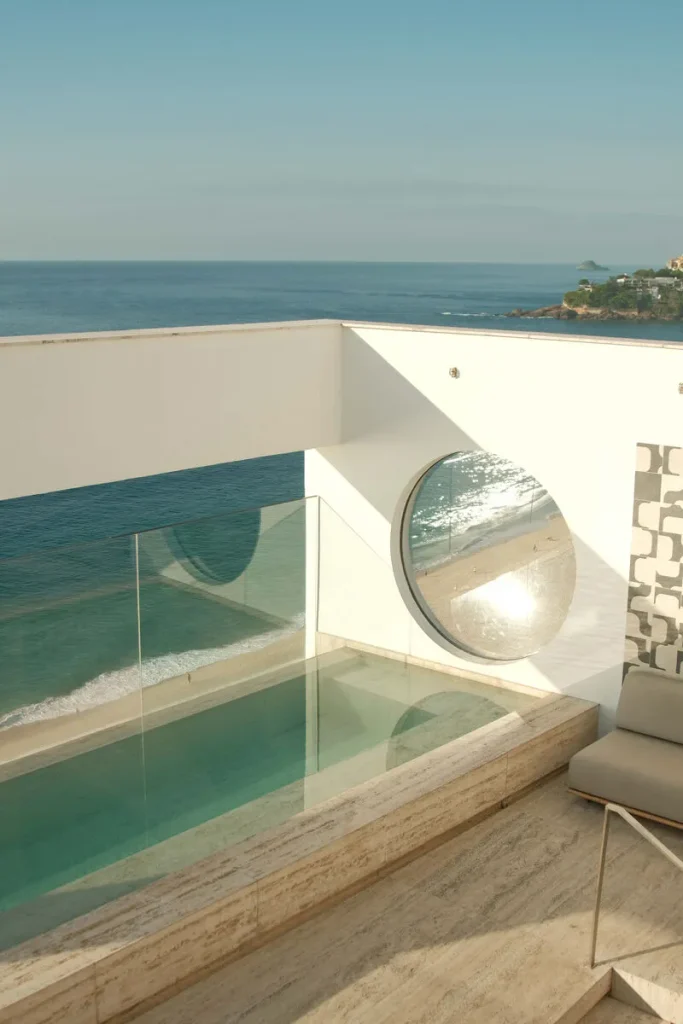
The infinity pool and VARANDA, the rooftop terrace of JANEIRO in Leblon
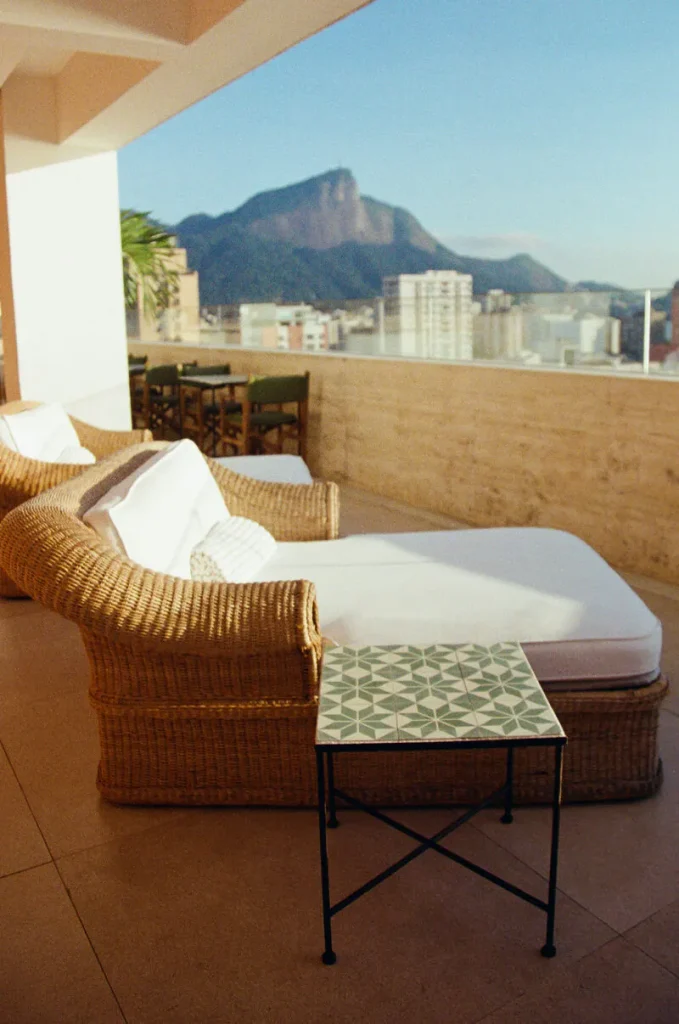
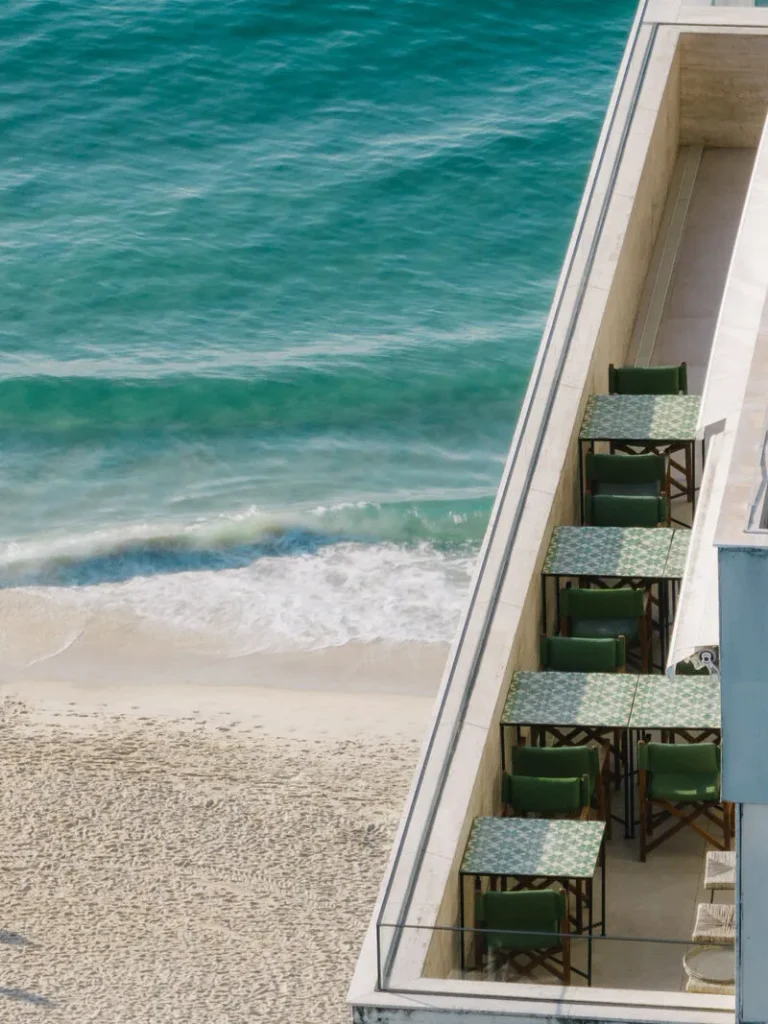
The Little Pool Bar occupies the eighteenth floor, with an infinity edge that lines the water up with Leblon Beach below. One level above, VARANDA is the open-air terrace, and the view runs from Arpoador across the Cagarras Islands to the Tijuca Forest and Christ the Redeemer — the forest itself a replanting, begun in the 1860s over slopes that coffee had stripped bare.
The terrace takes its name and its logic from the Brazilian veranda, the shaded outdoor room built for breeze and company, moved up to the nineteenth floor of a building on the ocean.
Sea of JANEIRO in Guanabara Bay and the screenings with the Cinemateca do MAM
Sea of JANEIRO runs sailing excursions through Guanabara Bay and along the coast, with a gastronomic programme developed for the boat; depending on wind and swell, routes take in the Cagarras Islands or the beaches of Niterói. On land, guests move through Leblon on customised bicycles and train on the sand with functional sessions. The cultural side runs through a collaboration with the Cinemateca do MAM, the film archive of Rio’s Museum of Modern Art, which curates screenings covering different periods and readings of the city’s history.
The Mini Spa of JANEIRO Hotel, one guest at a time on the fourth floor
The Mini Spa, on the fourth floor, takes a single guest at a time. The treatments work through synchronised four-hand massage with essential oils of lemon, lavender and sweet orange, body-sculpting technique, a volcanic hot-stone ritual drawn from Asian practice, and a massage built for long-haul arrivals.
RESTINGA, the dune adopted by JANEIRO Hotel on Leblon Beach
The environmental programme runs under the formula ASAP — As Sustainable As Possible, As Soon As Possible — and covers solar capture, LED lighting, water-saving systems, certified wood, reusable glass bottles, recycling and sourcing from local producers.
The measure that leaves the building is RESTINGA, the coastal restoration project protecting native vegetation along the Rio shoreline. Restinga is the low, salt-tolerant scrub that grows where sand meets city — cacti, bromeliads, creepers whose roots knit the dune together and hold it against wind and surge, with insects, birds and lizards living inside it. Twentieth-century urbanisation took most of it off Rio’s beaches. JANEIRO has adopted a dune on Leblon Beach, directly in front of the property, where that vegetation is being brought back.